When we teach a child to read a recipe, measure ingredients, and taste with intention, we are doing far more than passing along a kitchen skill. We are handing them the tools to nourish themselves for a lifetime.
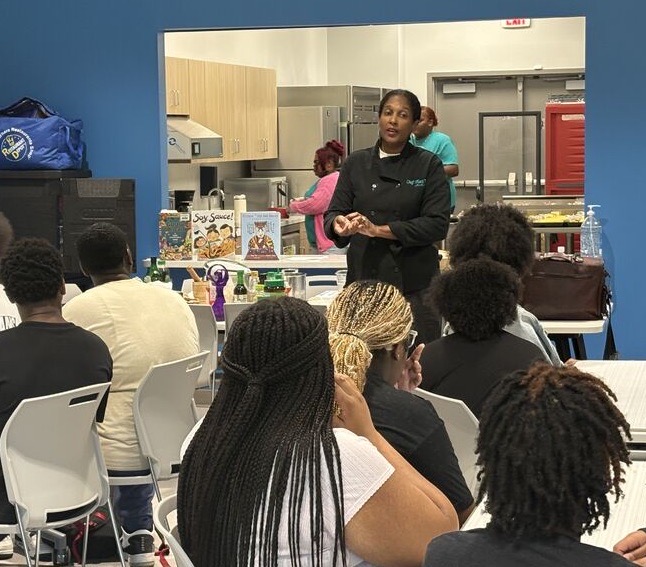
Culinary Literacy is the bridge between food, reading, and wellness. In my work with youth-serving organizations, I've watched children transform from hesitant observers to confident young cooks who can identify whole foods, follow a sequence of steps, and explain why a particular ingredient supports their body.
The research is clear: early, hands-on culinary education is associated with better dietary habits, stronger family engagement, and reduced chronic disease risk later in life. When families cook together, they talk together — and those conversations shape how children relate to food for decades.
That's why I built the Culinary Literacy curriculum: a practical, culturally grounded framework that meets families where they are and grows with them. It's not about perfection. It's about practice, curiosity, and the quiet confidence that comes from feeding yourself well.